Watercolor Animal Minimalist Clipart for Modern Design
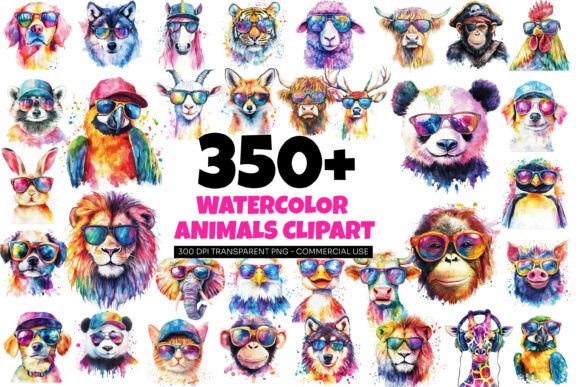
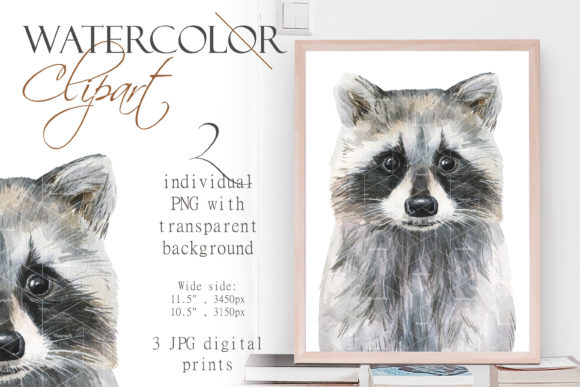
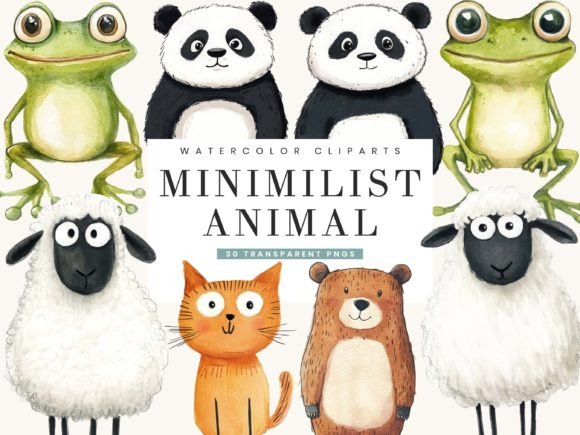
The intersection of natural forms and digital precision often creates the most compelling design assets. Watercolor Animal Minimalist Clipart occupies this unique space, offering a solution for projects that demand both warmth and clarity. Unlike overly detailed illustrations or generic vector graphics, this style presents animal forms through a refined lens. It strips away excessive detail, focusing instead on the essential shapes and subtle, organic textures of watercolor washes. The result is a collection of imagery that feels both contemporary and timeless. This approach to illustration is not about creating a realistic portrait of a fox or a bird, but about capturing its spirit through a few confident brushstrokes and a restrained color palette. The visual personality is one of quiet confidence—elegant, approachable, and intentionally understated. It communicates sophistication without pretension, making it a versatile tool for a wide range of creative professionals.
Understanding the Aesthetic and Its Broad Application
The core appeal of minimalist watercolor clipart lies in its balanced duality. It possesses the organic, handcrafted feel of traditional media, which adds a human touch to any design. Simultaneously, its minimalist execution ensures it integrates seamlessly into clean, modern layouts without causing visual clutter. This makes it particularly effective for projects where you need to establish a connection with the audience but maintain a polished, professional brand identity. For a small business owner developing product packaging, these designs can convey a natural, artisanal quality. For a blogger or content creator, they offer a quick way to add unique, branded graphics to social media posts or website headers that stand apart from overused stock imagery.
Practically speaking, the applications are extensive. In editorial design, such as for magazines or book covers, a single animal motif can serve as a striking focal point or a subtle thematic element. For entrepreneurs, these assets are invaluable for creating cohesive stationery sets, from thank you cards to business cards, that leave a memorable impression. In the digital realm, they excel in web design as accent icons, in email marketing headers, or as part of a cohesive set of social media graphics. The PNG format with transparent backgrounds is crucial here, allowing the designs to be layered over any color, pattern, or photograph without awkward borders, offering tremendous flexibility in composition. This adaptability is a key strength, allowing the same asset to feel at home on a rustic product label, a minimalist wedding invitation, or a modern tech company's blog post about sustainability.
Strategic Integration for Brand and Audience Engagement
Choosing to incorporate a specific design asset like Watercolor Animal Minimalist Clipart into a project should be a strategic decision, not just an aesthetic one. The style inherently influences perception. It can soften the sometimes sterile feel of purely digital communications, adding an element of warmth and authenticity. For a brand, consistency in using such assets across platforms—from the website to packaging to social media—builds recognition and reinforces a specific brand personality, perhaps one that values nature, craftsmanship, or thoughtful simplicity. This consistency is a cornerstone of effective brand identity development.
When evaluating if this style fits your project, consider your audience and message. Is your goal to appear more approachable and genuine? Does your project have a connection to nature, wellness, or the handmade? If so, the aesthetic is likely a strong match. For projects requiring a more formal, traditional, or highly technical tone, it might serve better as an occasional accent rather than a primary visual language. A practical tip is to test the clipart in context. Place a sample design next to your primary typeface—whether that's a clean sans serif font for modernity or a classic serif font for tradition. Observe how they interact. The clipart should complement, not compete with, your typography. Consider the scale; used too large, the minimalist detail might be lost; used too small, it might become an unclear blob. Finding the right balance is key to maintaining readability and visual hierarchy.
Furthermore, always review the specifics of any bundle. High-resolution files at 300 DPI are non-negotiable for print projects to ensure crisp, professional results. The variety within a bundle is also important—having multiple animal options and perhaps some complementary botanical elements allows for greater creative flexibility and the ability to build a more robust visual system. While the licensing terms for commercial use are always critical to verify, assets like these are typically designed with creators in mind, enabling their use in both personal and commercial projects like merchandise, digital products, and client work. Ultimately, the most successful use of Watercolor Animal Minimalist Clipart comes from viewing it not as a decorative afterthought, but as an integral component of your visual storytelling, one that can subtly shape audience perception and elevate the overall cohesion and professionalism of your work.